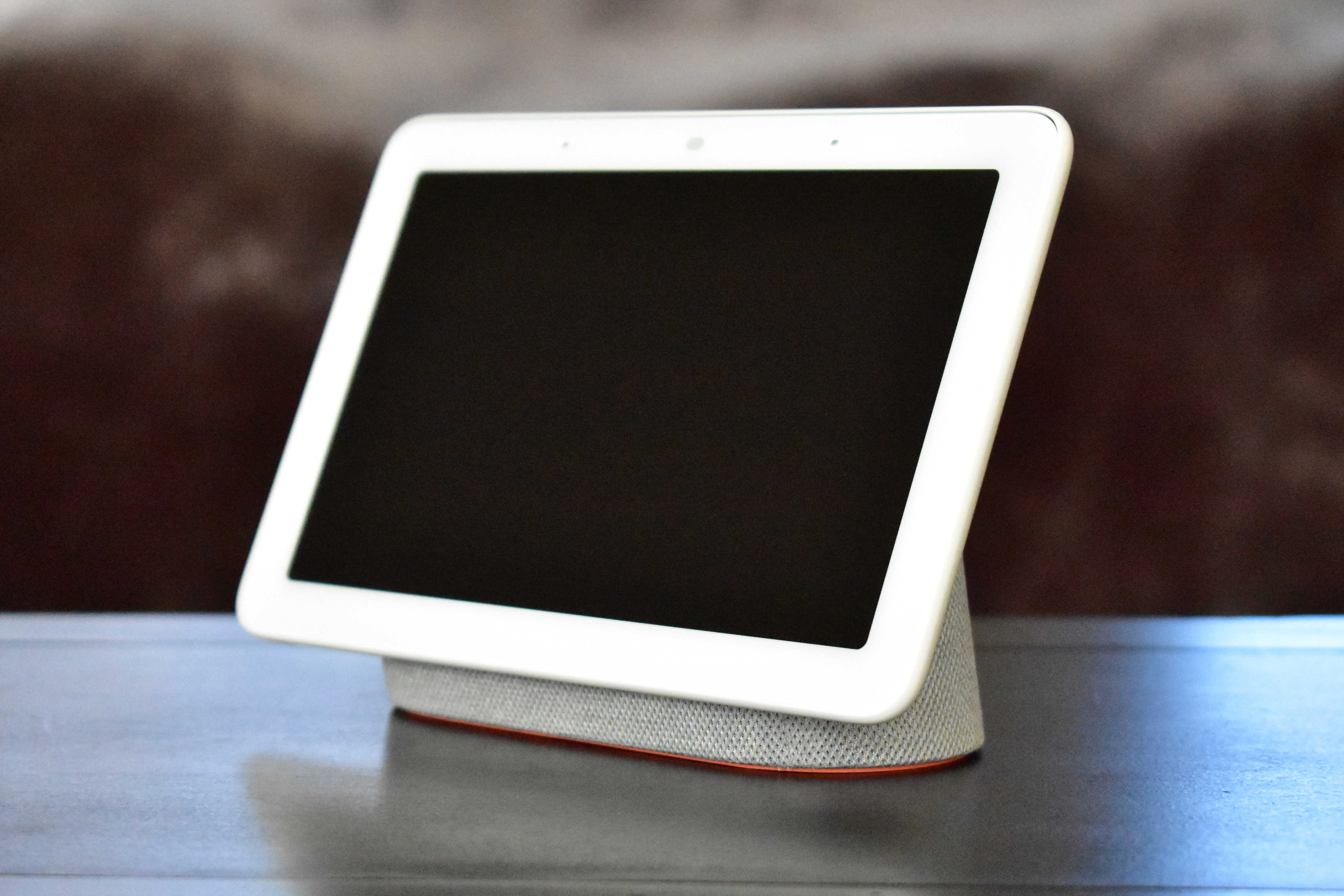
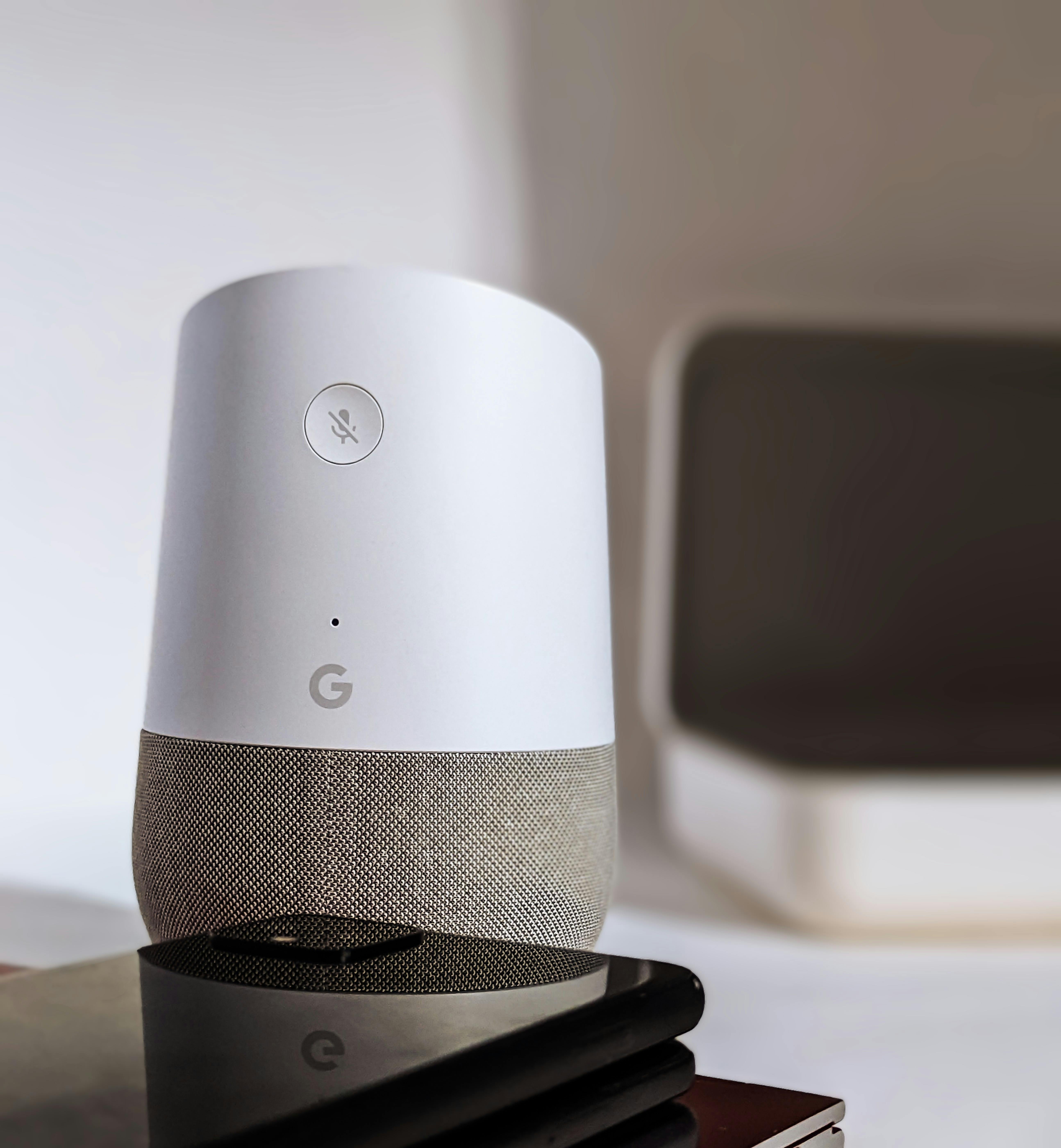
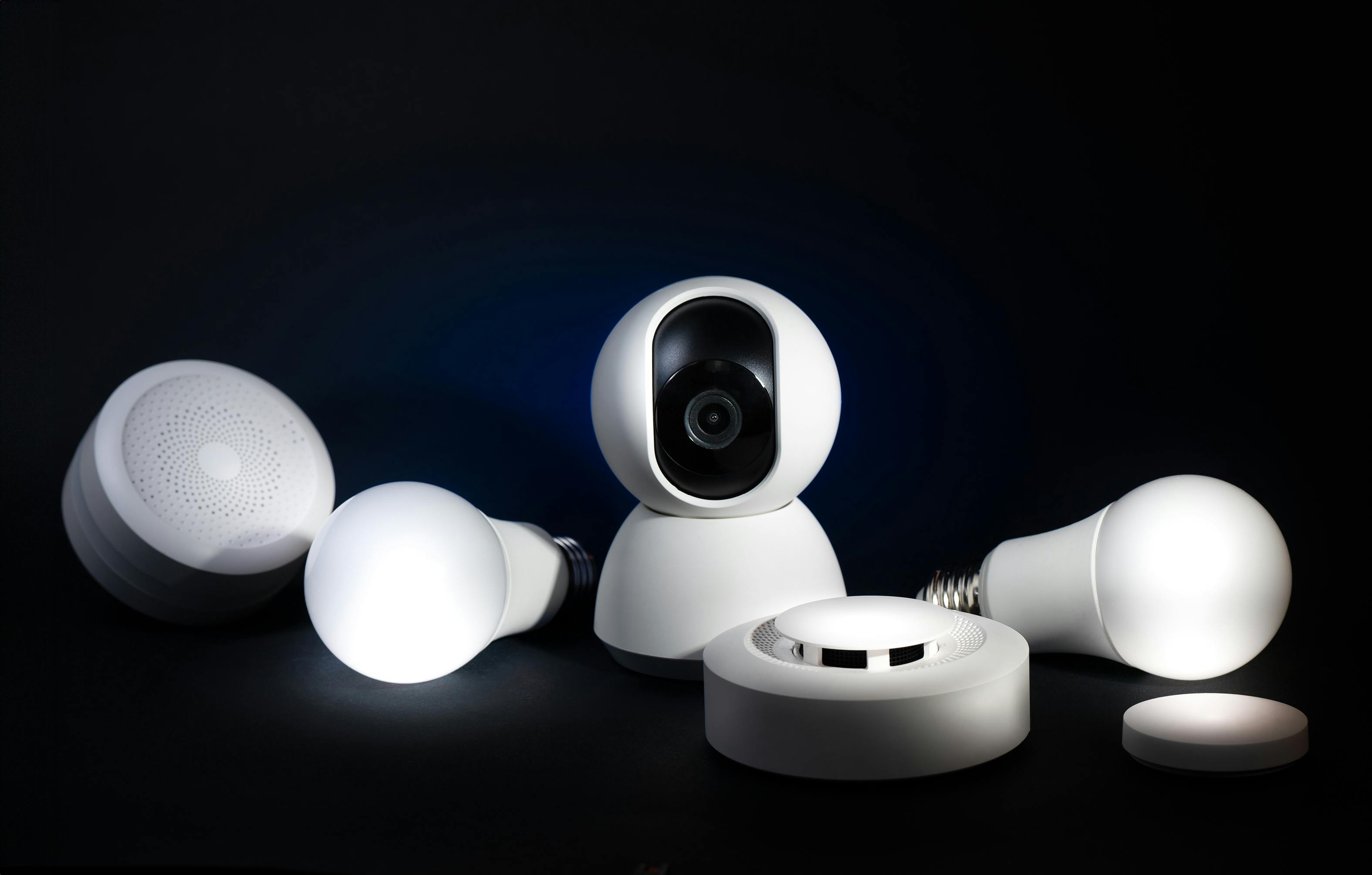
The news dropped this weekend: Google Home is now welcoming Gemini, Google's advanced AI model, at the heart of its features. This update marks a major turning point for Google's smart-home ecosystem, which gains in intelligence, fluidity, and conversational ability.
Here's a full rundown of what this evolution brings to users.
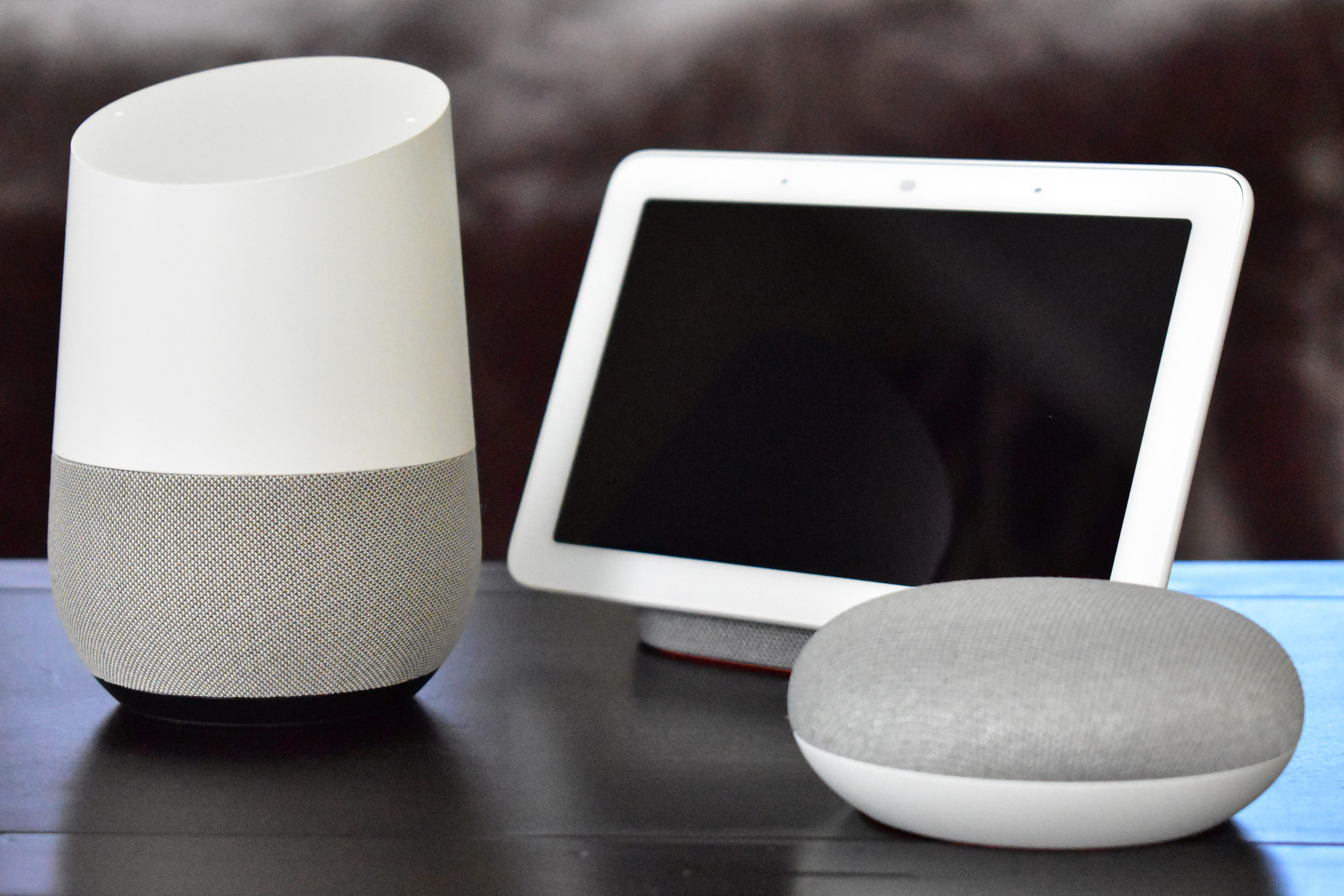
A major update for the Google Home ecosystem
For several months, Google had been signaling its intent to gradually replace Google Assistant with Gemini across certain use cases. The update rolled out this weekend makes that transition real: Google Home becomes faster, more context-aware, and far more versatile.
Gemini isn't just a voice assistant: it's a multimodal model, capable of understanding natural language, images, complex routines, and contextual requests.
What's new for users?
1. More natural, smarter interactions
Gemini understands the nuances of language better. Commands become smoother, less robotic:
- "Set a cozy mood in the living room"
- "Get the house ready for the evening"
- "What did I forget to turn off before leaving?"
Google Home now interprets these requests with much finer granularity, combining several actions at once.
2. Improved routine management
Google Home routines get more powerful:
- more complex conditions
- dynamic chaining
- automatic suggestions
- adaptation to context (time, weather, presence at home)
Gemini can even suggest custom routines based on your habits.
3. Better understanding of the environment
Thanks to Gemini, Google Home analyzes better:
- connected devices
- home-automation scenarios
- interactions between devices
- occupants' habits
The result: a more responsive, more autonomous home.
4. More complete, more conversational answers
Gemini brings a real conversational dimension:
- more detailed answers
- clearer explanations
- proactive suggestions
- the ability to chain several questions without losing the thread
Google Home becomes a more human home assistant, capable of holding a coherent conversation.
What about privacy?
Google states that home data remains protected and that Gemini operates within a strict framework, with strengthened control options.
Users can manage:
- interaction history
- data used to improve the service
- per-device privacy settings
A gradual but promising transition
The update doesn't fully replace Google Assistant just yet, but it paves the way for a new generation of interactions. The coming weeks should bring:
- more compatibility
- even more advanced routines
- Gemini integration across more Nest devices
- multimodal features (image analysis, contextual recognition)
Conclusion: Google Home enters a new era
With Gemini's arrival, Google Home crosses an important milestone. The assistant becomes:
- smarter
- more natural
- more autonomous
- more useful day to day
This update marks the start of a deep transformation of the connected home, where AI plays a central role in simplifying users' lives.