A day's journey: from red to blue
Cybersecurity is often seen as a cat-and-mouse game. But what happens when you switch sides within the span of a single day? My recent trip through the guts of a Windows server gave me a unique perspective: first as an attacker hunting for flaws, then as an architect building a fortress.
The attack: the quest for privilege
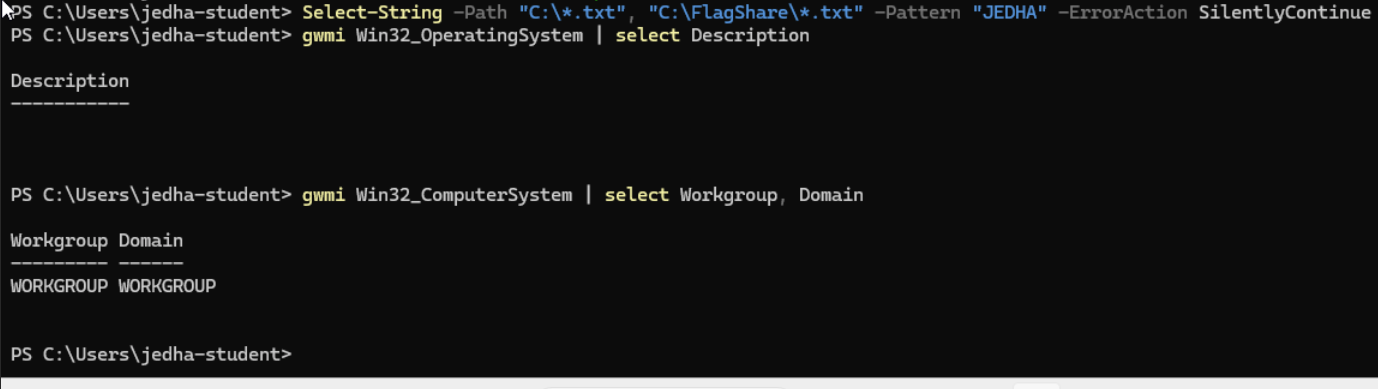
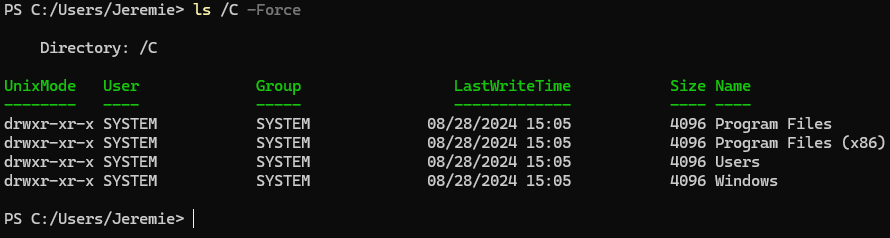
The first challenge was clear: extract secrets from a hostile environment. Between locked folders and ghost users like Alice, the lesson was brutal. We explored ADS (Alternate Data Streams) and hidden shares.
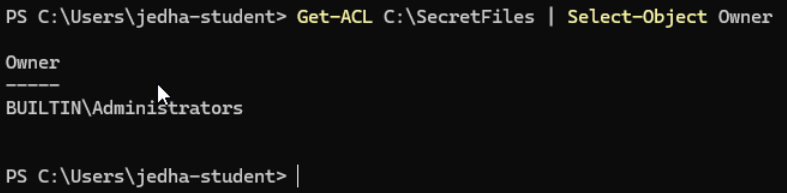
The real revelation was flag 5. Blocked by impenetrable ACLs (Access Control Lists), the solution wasn't some complex hack, but a fundamental understanding of system identity. Switching to Administrator mode wasn't cheating — it was the keystone of NTFS security.
The defense: building with RBAC
Armed with this intrusion experience, the second phase put me in charge of the infrastructure to build an effective defense. Using RBAC (Role-Based Access Control), we segmented access. Why would Alice from Sales be able to see Finance's salaries? She no longer can.
Security doesn't lie in obscurity, but in a structure so rigorous that even visibility doesn't grant access.
Automation: the guardian that never sleeps
A fortress is nothing without upkeep. Implementing scheduled tasks for reporting and cleaning up temporary files completes the cycle. A secure server is a clean server, where every change is tracked and every leftover removed.
Conclusion
Windows cybersecurity isn't just about complex passwords. It's a symphony between identities, permissions, and automation. Whether you're on the red or the blue side of the console, the rule stays the same: know your privileges.