We all have this image in our heads: the developer who runs a script, and within seconds their whole IT fleet updates, secures itself, and deploys with zero human intervention. That's the dream of automation.
Today, I wanted to test that dream against the reality of my lab.
The start of the climb
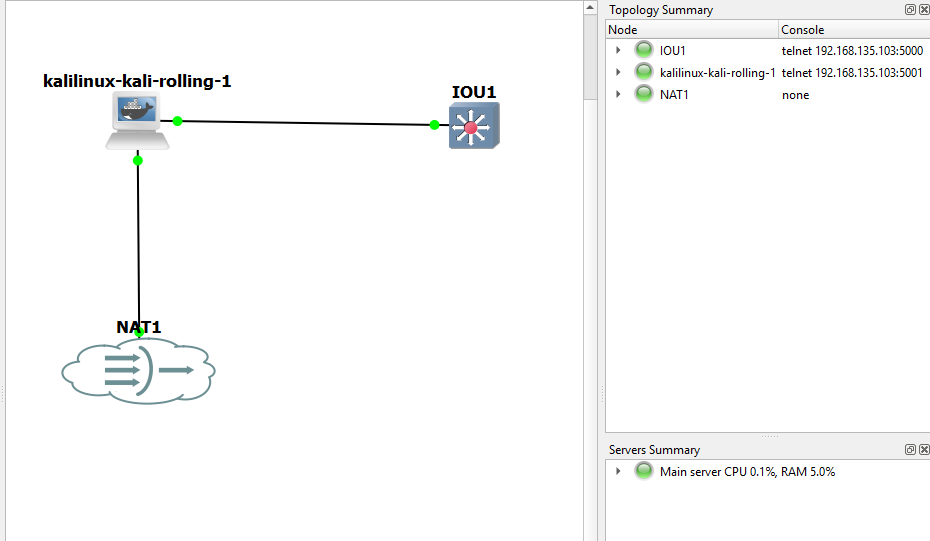
The project: automate management of a mixed fleet made up of Debian servers and Cisco switches. I had the tools, I had the theory, and I had the ambition. The first hours were electrifying. Getting my Ansible controller to talk to a switch, seeing that famous {"ping": "pong"} show up on my terminal — that's a satisfaction only a computer person can understand. It's the moment the code comes alive.
When the tool becomes the master Then reality on the ground caught up with me. To install Ansible properly, I had to set up virtual environments, manage Python dependencies, and get virtual machines talking to the outside world.
That's when I realized something important: you don't always debug the technology you're learning. Sometimes you debug the environment that lets you learn. Between virtual network interfaces refusing to initialize and temperamental internet access, my Ansible learning turned into a hardcore system administration lesson.
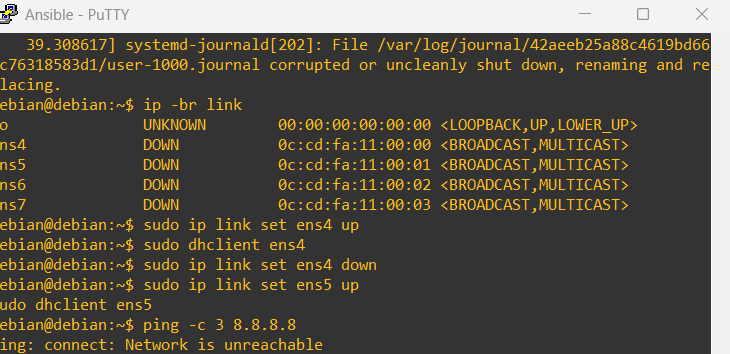
Learning to stop After a few hours, the verdict came in: my environment had become an obstacle.
In tech, people often say you shouldn't "give up". But I think there's a fundamental difference between persistence and stubbornness. Persistence is when you learn from your mistakes to move forward. Stubbornness is when you repeat the same debugging procedure for a result that doesn't bring you any closer to your learning goal.
The takeaway So I decided to put this project on hold. Is that a failure? Absolutely not. I learned a very valuable life lesson: technology is a means, not an end.
If the lab no longer lets you learn, it's time to change the lab, or change the approach. For my part, I'm going to keep exploring Ansible, but maybe with a lighter, code-centric approach, far from the whims of virtualization.
Technical skill is knowing how to build. But it's also knowing when to stop when the foundations no longer hold.